
Cardiovascular
Cardiovascular
The cardiovascular system, made up of the heart and blood vessels, is super important for getting oxygen and nutrients to our body’s tissues. Cardiovascular diseases (CVDs), like high blood pressure, heart failure, and heart attacks, are some of the biggest reasons people get sick or die around the world. Medicines for heart issues play a key role in managing these problems by improving heart function, keeping blood pressure in check, stopping blood clots, and controlling heart rhythms.
What Are Cardiovascular Medicines?
Heart meds include a variety of drugs that help with problems related to the heart and blood flow. They work on different parts of the body to lower blood pressure, cut down cholesterol, stop blood clots, and fix heart rhythm issues. Doctors often prescribe these medicines together because heart diseases can be pretty complicated.
How Cardiovascular Medicines Work
Different classes of cardiovascular drugs target distinct mechanisms, including:
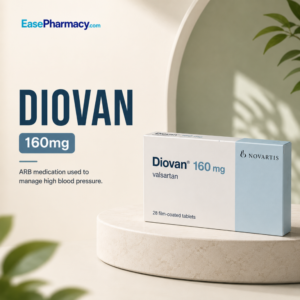
- Lowering Blood Pressure: Drugs like ACE inhibitors (e.g., lisinopril, enalapril) and angiotensin receptor blockers (ARBs) such as Diovan (valsartan) relax blood vessel walls by blocking the renin-angiotensin-aldosterone system, which reduces vasoconstriction and blood volume, leading to decreased blood pressure. Beta-blockers (e.g., metoprolol, atenolol) reduce heart rate and myocardial contractility, lowering blood pressure and myocardial oxygen demand.
- Controlling Cholesterol Levels: Statins, including atorvastatin and simvastatin, lower low-density lipoprotein (LDL) cholesterol by inhibiting the enzyme HMG-CoA reductase, which reduces cholesterol synthesis in the liver. This prevents the buildup of atherosclerotic plaques in arteries, lowering the risk of heart attacks and strokes.
- Preventing Blood Clots: Antiplatelet agents such as aspirin and clopidogrel inhibit platelet aggregation, reducing the risk of thrombus formation that can cause myocardial infarction or ischemic stroke.
- Regulating Heart Rhythm: Drugs like amiodarone manage arrhythmias by modulating ion channels involved in cardiac electrical conduction. This stabilizes abnormal heart rhythms and prevents complications such as atrial fibrillation or ventricular tachycardia.
- Diuretics: Medications like hydrochlorothiazide promote the excretion of sodium and water, decreasing blood volume and lowering blood pressure. They also help reduce fluid overload in heart failure patients.
- Calcium Channel Blockers: These agents inhibit calcium influx into vascular smooth muscle and cardiac cells, leading to vasodilation, decreased heart rate, and reduced myocardial contractility. They are used for hypertension, angina, and certain arrhythmias.
- Other Agents: Nitroglycerin relaxes venous and arterial vessels, improving blood flow to ischemic heart tissue during angina attacks and reducing myocardial oxygen consumption.
Common Types of Cardiovascular Medicines
| Class | Examples | Primary Uses | Mechanism of Action |
| ACE Inhibitors | Lisinopril, Enalapril | Hypertension, Heart Failure | Inhibit angiotensin-converting enzyme, vasodilation |
| ARBs | Valsartan (Diovan) | Hypertension, Heart Failure | Block angiotensin II receptors, vasodilation |
| Beta-Blockers | Metoprolol, Atenolol | Hypertension, Angina, Arrhythmias | Block beta-adrenoceptors, decrease heart rate/contractility |
| Statins | Atorvastatin, Simvastatin | Hypercholesterolemia | Inhibit cholesterol synthesis |
| Antiplatelet Agents | Aspirin, Clopidogrel | Stroke, Myocardial Infarction Prevention | Inhibit platelet aggregation |
| Diuretics | Hydrochlorothiazide | Hypertension, Edema | Promote sodium/water excretion |
| Calcium Channel Blockers | Amlodipine, Verapamil | Hypertension, Angina, Arrhythmias | Block calcium influx causing vasodilation and decreased contractility |
| Antiarrhythmics | Amiodarone, Lidocaine | Arrhythmias | Ion channel modulation to stabilise cardiac rhythm |
| Nitrates | Nitroglycerin | Angina | Vasodilation via nitric oxide release |
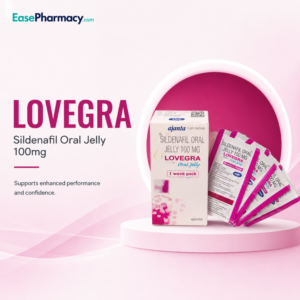
Additionally, Lovegra – Female Viagra, primarily marketed for female sexual health, indirectly supports cardiovascular well-being by enhancing sensitivity and sexual arousal, which promotes overall cardiovascular health through increased blood flow and hormonal balance.
Conditions Treated with Cardiovascular Medicines
- Hypertension (high blood pressure)
- Coronary artery disease
- Heart failure
- Arrhythmias (irregular heartbeat)
- Peripheral artery disease
- Post-heart attack care and stroke prevention
Important Considerations and Side Effects
Even though cardiovascular medicines are usually safe when taken as directed, they can lead to side effects like feeling tired, getting dizzy, coughing (especially with ACE inhibitors), or having imbalances in electrolytes. It’s really important for doctors to keep an eye on things to adjust doses and avoid negative effects. Plus, making healthy lifestyle changes like eating well, exercising regularly, and not smoking can really help medical treatments work better and improve health in the long run.
Cardiovascular meds are key to taking care of heart health, helping to lessen disease burdens, prevent problems, and boost the quality of life for millions of people around the world. Their focused use and proven effectiveness continue to save lives and improve heart health globally.
Showing all 2 results
-
Sale!
 Cardiovascular
Diovan 160mg
Price range: $68.00 through $195.00 Inquire on WhatsApp This product has multiple variants. The options may be chosen on the product page -
Sale!
 Cardiovascular
Lovegra – Female Viagra for Increased Sensitivity & Sexual Arousal
Price range: $50.00 through $199.00 Inquire on WhatsApp This product has multiple variants. The options may be chosen on the product page