Medicines play a crucial role in treating illnesses, managing chronic conditions, and improving overall health. However, even the most effective medications can become harmful when used incorrectly. Every year, thousands of people experience avoidable health complications due to simple medication mistakes.
Whether you’re taking medicines for a temporary illness or managing a long-term condition, understanding how to use medications safely is essential. In this guide, we’ll explore 10 common medicine mistakes that can harm your health and how to avoid them.
1. Taking Medicines Without a Doctor’s Advice
One of the most common mistakes is self-medicating without consulting a healthcare professional. While over-the-counter medicines can help with minor ailments, using prescription medications without proper guidance can lead to serious side effects, drug interactions, or incorrect treatment.
What to Do:
- Always consult a doctor or pharmacist before starting a new medication.
- Follow prescribed dosages and instructions carefully.
2. Skipping Doses
Many people stop taking medicines once they start feeling better. However, skipping doses can reduce the effectiveness of treatment and may worsen the condition.
For example, missing doses of antibiotics can contribute to antibiotic resistance, making infections harder to treat in the future.
What to Do:
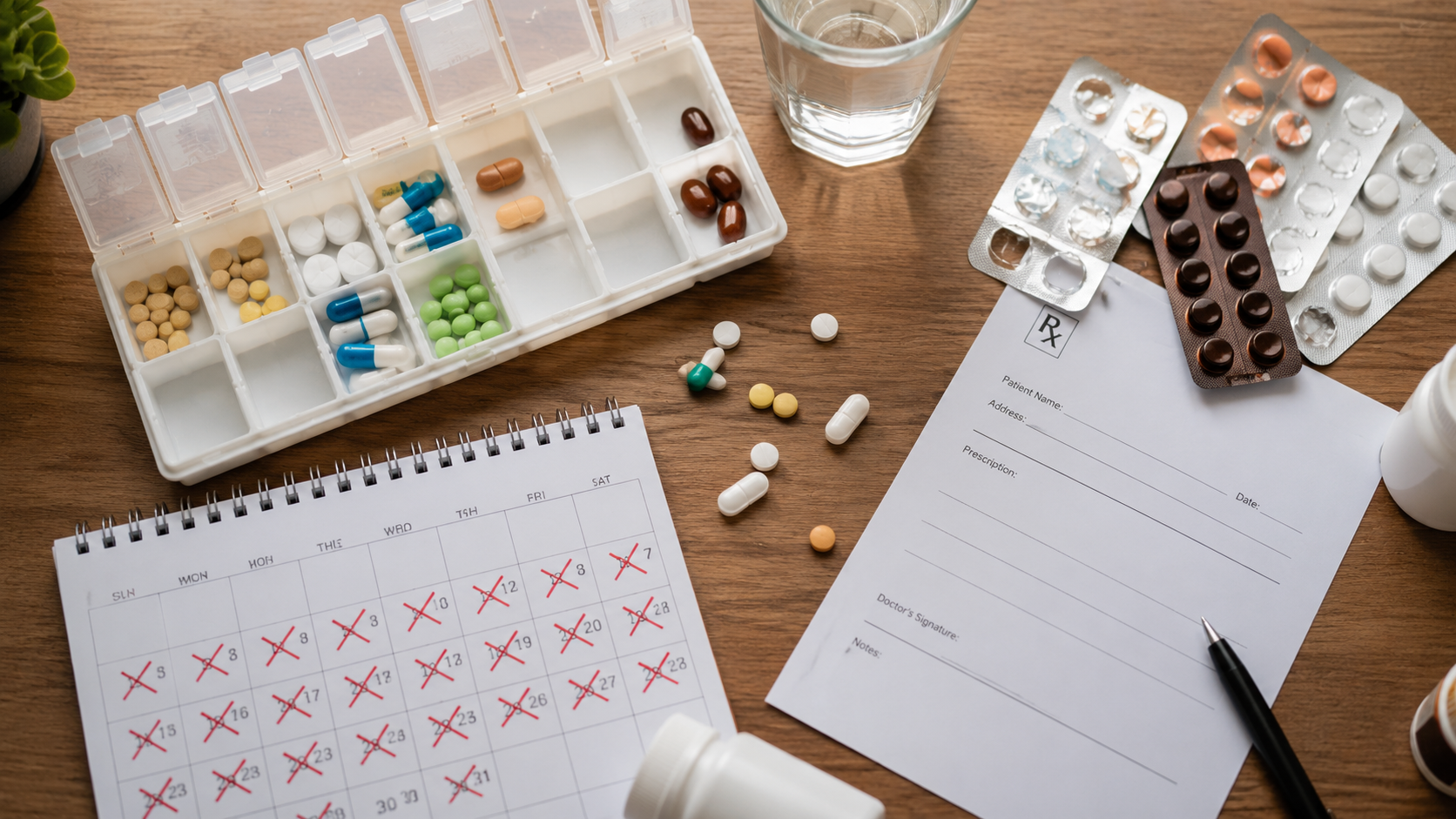
- Set reminders on your phone.
- Use a medication organizer to stay on schedule.
3. Taking the Wrong Dosage
Taking more medicine than prescribed doesn’t mean you’ll recover faster. In fact, overdosing can cause serious health complications, while underdosing may prevent the medicine from working properly.
What to Do:
- Read labels carefully.
- Use measuring devices provided with liquid medicines.
- Never adjust dosages without medical advice.
4. Mixing Medicines Without Checking Interactions
Some medications can interact with each other, causing unexpected side effects or reducing effectiveness.
Common interactions may occur between:
- Prescription medicines
- Over-the-counter drugs
- Vitamins and supplements
- Herbal products
What to Do:
- Inform your healthcare provider about all medicines and supplements you’re taking.
- Ask your pharmacist about potential interactions.
5. Ignoring Expiry Dates
Expired medicines may lose their effectiveness and, in some cases, become unsafe to use.
Many people keep old medications in their medicine cabinets for years and use them when symptoms return. This can be risky.
What to Do:
- Regularly check medicine expiry dates.
- Safely dispose of expired medications.
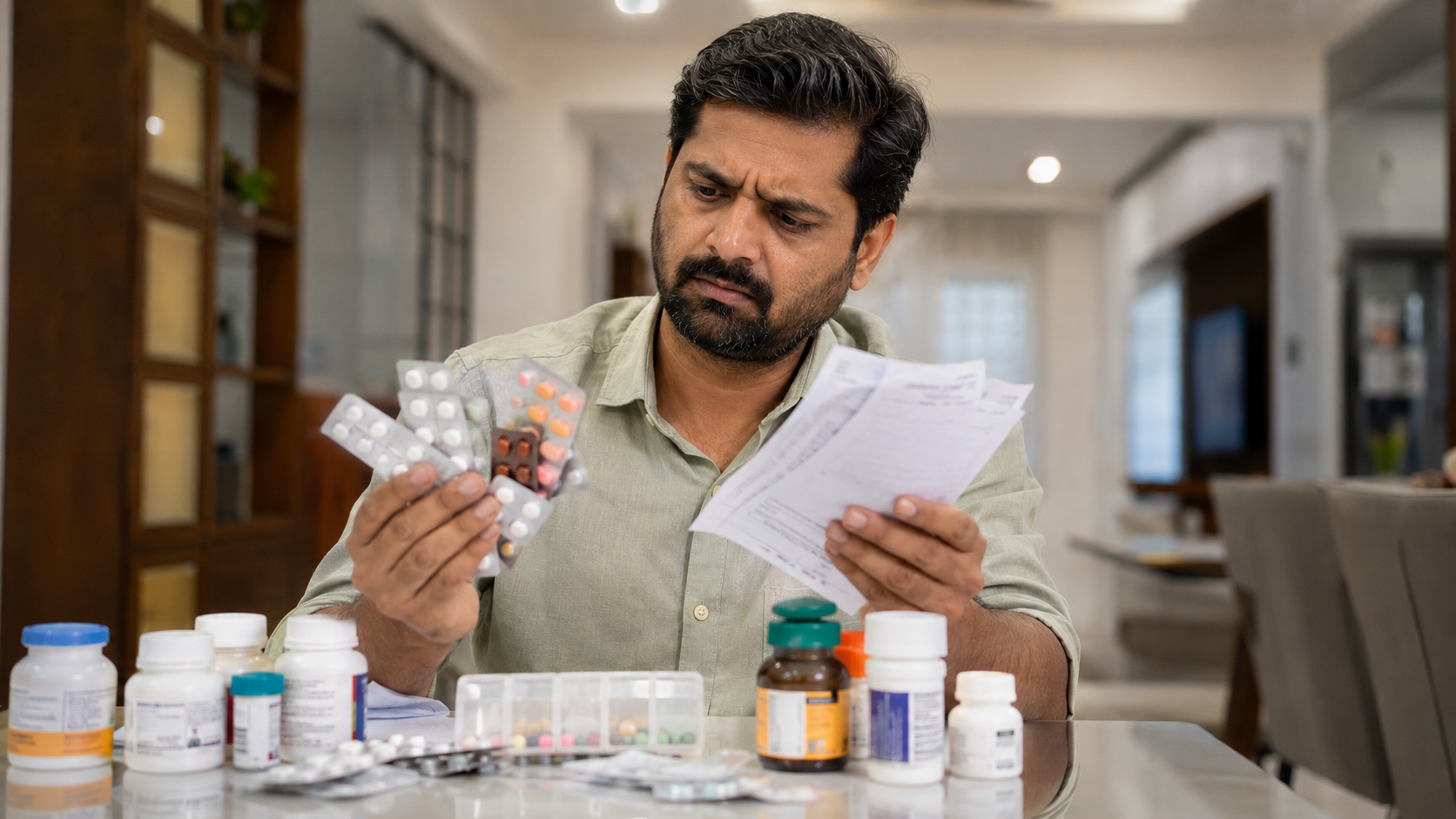
6. Storing Medicines Incorrectly
Heat, humidity, and sunlight can damage medications and reduce their effectiveness.
Bathrooms and kitchens are common but often unsuitable places for storing medicines due to moisture and temperature fluctuations.
What to Do:
- Store medicines in a cool, dry place.
- Follow storage instructions on the packaging.
7. Sharing Medicines with Family or Friends
Just because a medicine worked for someone else doesn’t mean it’s suitable for you.
Different people have different medical histories, allergies, and health conditions. Sharing medications can lead to unexpected side effects and health risks.
What to Do:
- Never share prescription medicines.
- Encourage others to seek professional medical advice.
8. Not Reading Medicine Labels
Medicine labels contain important information about dosage, timing, storage, side effects, and precautions.
Ignoring these instructions can result in misuse and health complications.
What to Do:
- Read labels carefully before use.
- Pay attention to warnings and directions.
9. Taking Medicines with the Wrong Food or Drink
Certain foods and beverages can affect how medicines work.
Examples include:
- Grapefruit juice interacting with some medications.
- Alcohol increasing side effects.
- Dairy products affecting the absorption of certain antibiotics.
What to Do:
- Follow food-related instructions provided by your doctor or pharmacist.
- Ask questions if you’re unsure.
10. Stopping Treatment Too Early
Many people discontinue medications once symptoms improve. However, symptoms disappearing doesn’t always mean the underlying condition is fully treated.
Stopping treatment early can:
- Cause symptoms to return.
- Increase the risk of complications.
- Reduce treatment effectiveness.
What to Do:
- Complete the full course of treatment.
- Consult your healthcare provider before stopping any medication.
Additional Tips for Safe Medicine Use
To ensure medication safety:
✔ Keep a list of all medicines you take.
✔ Use one pharmacy whenever possible to help track potential drug interactions.
✔ Keep medicines out of reach of children.
✔ Attend regular medical checkups if you take long-term medications.
✔ Report unusual side effects to your healthcare provider immediately.
Why Medication Safety Matters
Medication errors can lead to unnecessary hospital visits, worsening health conditions, and increased healthcare costs. By following proper medication practices, you can maximize treatment effectiveness and protect yourself and your family from avoidable health risks.
Final Thoughts
Medicines are powerful tools for improving health, but they must be used responsibly. Avoiding these common medication mistakes can help ensure your treatment remains safe and effective.
At Ease Pharmacy, we believe that informed patients make healthier choices. Whether you’re managing a chronic condition or treating a temporary illness, always follow professional medical advice and use medications responsibly.
Your health is too important to leave to chance. Stay informed, stay safe, and make medication safety a priority every day.