
Introduction: Why Medication Safety Matters More Than You Think
Here’s a number that should give everyone pause: according to the FDA and various patient safety organizations, medication errors affect approximately 1.5 million Americans every year. These aren’t rare, catastrophic events that only happen to other people — they’re everyday slip-ups that happen in kitchens, bathrooms, and bedside tables across the country.
Some of the most common prescription mistakes are deceptively simple. Forgetting a dose. Taking a pill with a glass of wine. Stopping an antibiotic course three days early because you’re feeling better. Sharing your leftover prescription with a family member who seems to have the same symptoms. Individually, these might seem harmless. But the consequences can range from treatment failure to serious drug interactions to dangerous health complications.
The good news? Most medication errors are completely preventable with the right knowledge. Whether you’re managing a chronic condition, recovering from an infection, or simply picking up a monthly refill, understanding safe medication use can make a real difference in your health outcomes.
This guide walks through the 10 most common medication mistakes Americans make — and exactly how to avoid them.
10 Common Medication Mistakes (And How to Avoid Every One)
1. Missing Doses Without Making Up for It Correctly
Life gets busy. You forget. It happens to almost everyone on long-term medication. But missing doses — especially for medications like blood pressure drugs, diabetes treatments, or antidepressants — can seriously disrupt your treatment plan.
The mistake: Skipping doses randomly, or doubling up the next day without guidance.
How to avoid it:
- Use a daily pill organizer or a phone reminder app.
- Ask your pharmacist about the correct procedure if you miss a dose — the answer varies by medication.
- Never double-dose to make up for a missed one unless your prescriber specifically tells you to.
- Keep a consistent schedule and tie pill-taking to a daily habit (morning coffee, brushing teeth, etc.).
2. Taking the Wrong Dosage
Taking too much or too little of a medication is a more common problem than most people realize — and it can cut both ways. Too little can make the medication ineffective. Too much can push it into dangerous territory.
The mistake: Eyeballing liquid medications, splitting pills that shouldn’t be split, or increasing your own dose because the prescribed amount “doesn’t seem to be working.”
How to avoid it:
- Always use the measuring device provided with liquid medications — not a kitchen spoon.
- Ask your pharmacist whether a tablet can safely be cut or crushed before doing so.
- Never adjust your dose on your own. Call your provider if you feel the current dose isn’t working.
3. Mixing Medications Without Checking for Drug Interactions
Drug interactions are one of the most underestimated risks in everyday medication use. Two drugs that are individually safe can have serious effects when combined. This applies to prescription medications, over-the-counter drugs, and even supplements.
The mistake: Starting a new supplement or OTC medication without checking whether it interacts with your current prescriptions.
How to avoid it:
- Always tell your doctor and pharmacist about everything you’re taking — prescriptions, vitamins, herbal supplements, and OTC products.
- Use your pharmacy’s drug interaction checker tool.
- Ask your pharmacist directly: “Does anything I’m taking interact with this new prescription?”
- Keep an updated medication list with you at all appointments.
4. Stopping Antibiotics Early
You start a 10-day course of antibiotics. By day six, you’re feeling completely normal. The infection seems gone. Why bother finishing the rest?
This reasoning is one of the most dangerous mistakes in antibiotic treatment.
The mistake: Stopping antibiotics when you feel better rather than completing the full course.
How to avoid it:
- Understand that antibiotics must complete the full prescribed course to fully eliminate bacteria.
- Stopping early can leave behind the most resistant bacteria, making the infection harder to treat next time.
- Set alarms or use a pill tracker to complete every single dose.
- Never save leftover antibiotics “for later” — this only encourages incomplete courses and antibiotic resistance.
5. Using Expired Medications
The expiration date on your medication isn’t just a suggestion. After that date, the drug may have degraded, making it less effective — or in some cases, potentially harmful.
The mistake: Rummaging through the medicine cabinet and taking whatever’s there, regardless of the expiration date.
How to avoid it:
- Do a medication cabinet audit every six months.
- Dispose of expired medications properly — many pharmacies and local law enforcement offices offer drug take-back programs.
- Never use expired eye drops, liquid antibiotics, or injectable medications. These are especially time-sensitive.
6. Sharing Prescription Medications
Your prescription was written specifically for you — your weight, your medical history, your kidney function, your other medications. What works safely for you may cause a serious reaction in someone else.
The mistake: Lending a friend your leftover antibiotics or sharing prescription pills because “it’s the same thing they’d prescribe.”
How to avoid it:
- Understand that sharing prescription medication is illegal in the United States.
- Encourage friends or family who need medication to see a licensed provider or visit a legitimate online pharmacy.
- What’s safe for you is not necessarily safe for someone else — even if the symptoms look identical.
7. Storing Medications Incorrectly
Most people store their medications in the bathroom medicine cabinet. Ironically, the bathroom is one of the worst places to store most drugs. Heat and humidity accelerate chemical breakdown, reducing potency and potentially altering the medication’s properties.
The mistake: Storing medications in humid, warm, or brightly lit locations.
How to avoid it:
- Store most medications in a cool, dry place — a bedroom dresser drawer or kitchen cabinet away from the stove works well.
- Keep medications out of direct sunlight.
- Some medications (like certain insulin products) require refrigeration — check the label.
- Keep all medications in their original labeled containers.
8. Taking Medications With Alcohol
Alcohol interacts with a surprisingly large number of prescription drugs — from antibiotics to blood thinners to anxiety medications to pain relievers. These interactions can range from mild (drowsiness) to life-threatening (dangerous drops in blood pressure or respiratory depression).
The mistake: Assuming it’s fine to have a few drinks while on prescription medication.
How to avoid it:
- Ask your pharmacist specifically whether your medication is safe to take with alcohol.
- When in doubt, abstain during your course of treatment.
- Pay attention to warning labels on the medication bottle — many explicitly warn against alcohol.
- Don’t assume that a small amount is fine. For some drug combinations, even a single drink can cause a significant reaction.
9. Ignoring Side Effects
Every prescription medication comes with potential side effects. Some are minor and temporary. Others are warning signs that something is wrong and the medication needs to be adjusted or stopped.
The mistake: Dismissing side effects as normal and pushing through without reporting them to a healthcare provider.
How to avoid it:
- Read the medication guide that comes with every prescription.
- Keep a simple log of any new symptoms you notice after starting a medication.
- Contact your prescriber or pharmacist if you experience anything unexpected.
- Seek emergency care immediately for severe reactions like difficulty breathing, swelling of the face, or chest pain.
10. Ordering Medications From Unreliable Online Sources
The rise of online pharmacies has made it easier than ever to access medications — but it’s also opened the door to counterfeit drugs, unregulated products, and outright scams. A 2020 FDA report noted that thousands of rogue online pharmacies operate illegally in the United States, often selling fake or contaminated products.
The mistake: Purchasing medications from unverified websites to save money or avoid a doctor’s visit.
How to avoid it:
- Only use online pharmacies verified by the National Association of Boards of Pharmacy (NABP) or licensed in the United States.
- Look for the VIPPS (Verified Internet Pharmacy Practice Sites) seal.
- Legitimate pharmacies require a valid prescription for prescription-only medications.
- Ease Pharmacy is a trusted online pharmacy resource where customers can browse a wide range of medications, with clear product information and pharmacy-grade quality standards.
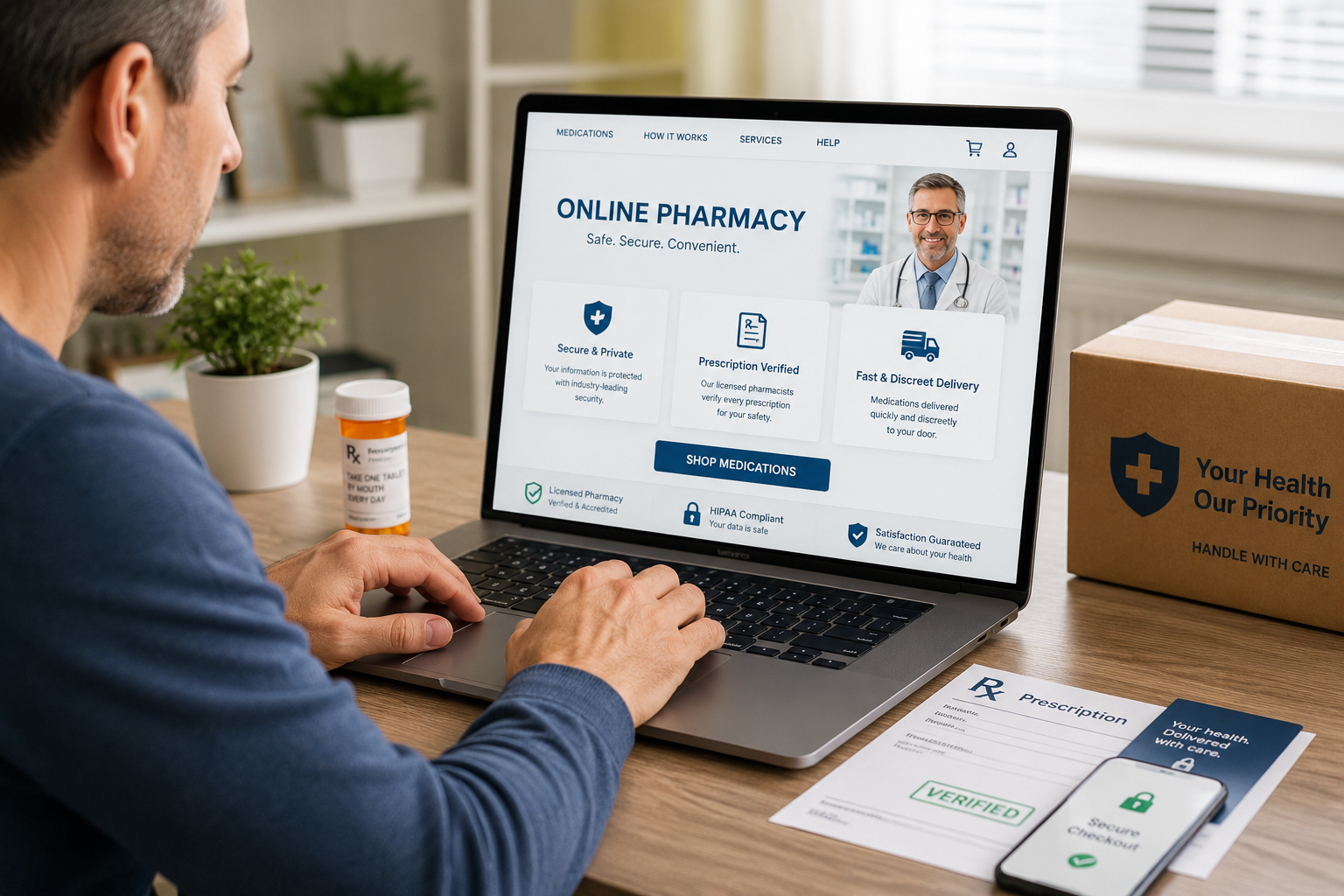

Examples of Commonly Prescribed Medications and Safe Usage Tips
Viagra (Sildenafil) — Safe Use and Common Mistakes
Viagra is one of the most commonly prescribed medications for erectile dysfunction in the United States. It’s also one of the most frequently counterfeited drugs sold online.
Safe usage tips:
- Viagra should be taken approximately 30 to 60 minutes before sexual activity, and not more than once per day.
- It must not be taken with nitrate medications (used for chest pain) — the combination can cause a dangerous drop in blood pressure.
- Alcohol can amplify side effects like dizziness and low blood pressure.
- Only purchase Viagra from a licensed pharmacy. Counterfeit versions often contain dangerous fillers or incorrect dosages.
Common mistakes: Taking it too frequently, combining it with heart medications, or buying it from unverified online sources.
Super Vilitra — Proper Usage Guidelines
Super Vilitra is a combination medication that contains vardenafil (for erectile dysfunction) and dapoxetine (for premature ejaculation). It’s used for men dealing with both conditions simultaneously.
Safe usage tips:
- Always follow your prescriber’s specific dosing instructions.
- Do not combine with other erectile dysfunction medications or nitrates.
- Avoid grapefruit or grapefruit juice, which can interfere with vardenafil metabolism.
- Disclose all other medications to your prescriber before starting Super Vilitra.
Common mistakes: Self-prescribing without a consultation, taking it alongside other ED drugs, or purchasing from unverified online pharmacies.
Metformin — Diabetes Medication Adherence
Metformin is the most widely prescribed oral medication for Type 2 diabetes in the United States. It works by reducing glucose production in the liver and improving the body’s response to insulin.
Safe usage tips:
- Metformin is typically taken with meals to reduce gastrointestinal side effects like nausea or diarrhea.
- Consistent daily use is critical — skipping doses leads to uncontrolled blood sugar levels.
- Avoid excessive alcohol consumption while taking Metformin, as it can increase the risk of lactic acidosis.
- Inform your doctor before any imaging procedures that require contrast dye, as the combination can temporarily affect kidney function.
Common mistakes: Stopping Metformin when blood sugar numbers look “normal,” not taking it consistently with food, or self-adjusting doses.
Atorvastatin — Cholesterol Management
Atorvastatin (commonly known by the brand name Lipitor) is a statin medication used to lower LDL cholesterol and reduce the risk of heart disease and stroke.
Safe usage tips:
- Atorvastatin can be taken at any time of day, but consistency matters — try to take it at the same time every day.
- Grapefruit and grapefruit juice can significantly increase blood levels of atorvastatin, raising the risk of side effects like muscle pain.
- Report any unexplained muscle weakness, pain, or tenderness to your provider immediately — these can be signs of a rare but serious condition called myopathy.
- Do not stop taking atorvastatin without consulting your doctor, even if your cholesterol numbers improve. The medication works best with long-term consistent use.
Common mistakes: Stopping the medication when cholesterol levels normalize, eating grapefruit regularly while on the drug, or ignoring muscle-related side effects.
Doxycycline — Antibiotic Safety
Doxycycline is a broad-spectrum antibiotic used for a wide range of infections — from respiratory tract infections and Lyme disease to acne and certain sexually transmitted infections.
Safe usage tips:
- Take doxycycline with a full glass of water and remain upright for at least 30 minutes after taking it to prevent esophageal irritation.
- Avoid taking it with dairy products, antacids, or calcium supplements within two hours of your dose — these can reduce the drug’s absorption.
- Doxycycline makes your skin significantly more sensitive to sunlight. Use sunscreen and protective clothing while on treatment.
- Always complete the full prescribed course, even if you feel better before it’s finished.
Common mistakes: Taking it with milk or antacids, stopping early, or skipping sun protection.
Azithromycin — Importance of Completing Treatment
Azithromycin (commonly known as a “Z-Pack”) is a popular antibiotic used for respiratory infections, ear infections, and certain bacterial STIs. It’s often prescribed as a short five-day course, which leads many patients to believe it’s less serious about completion.
Safe usage tips:
- Even though a Z-Pack course is short, every dose is important. Skipping even one pill can result in treatment failure.
- Azithromycin should be taken at the same time each day for best effectiveness.
- Avoid antacids containing aluminum or magnesium within two hours of taking azithromycin.
- Inform your doctor if you have a history of heart rhythm problems, as azithromycin can slightly prolong the QT interval.
Common mistakes: Stopping after three days because symptoms improved, taking it inconsistently, or not disclosing cardiac history to a prescriber.
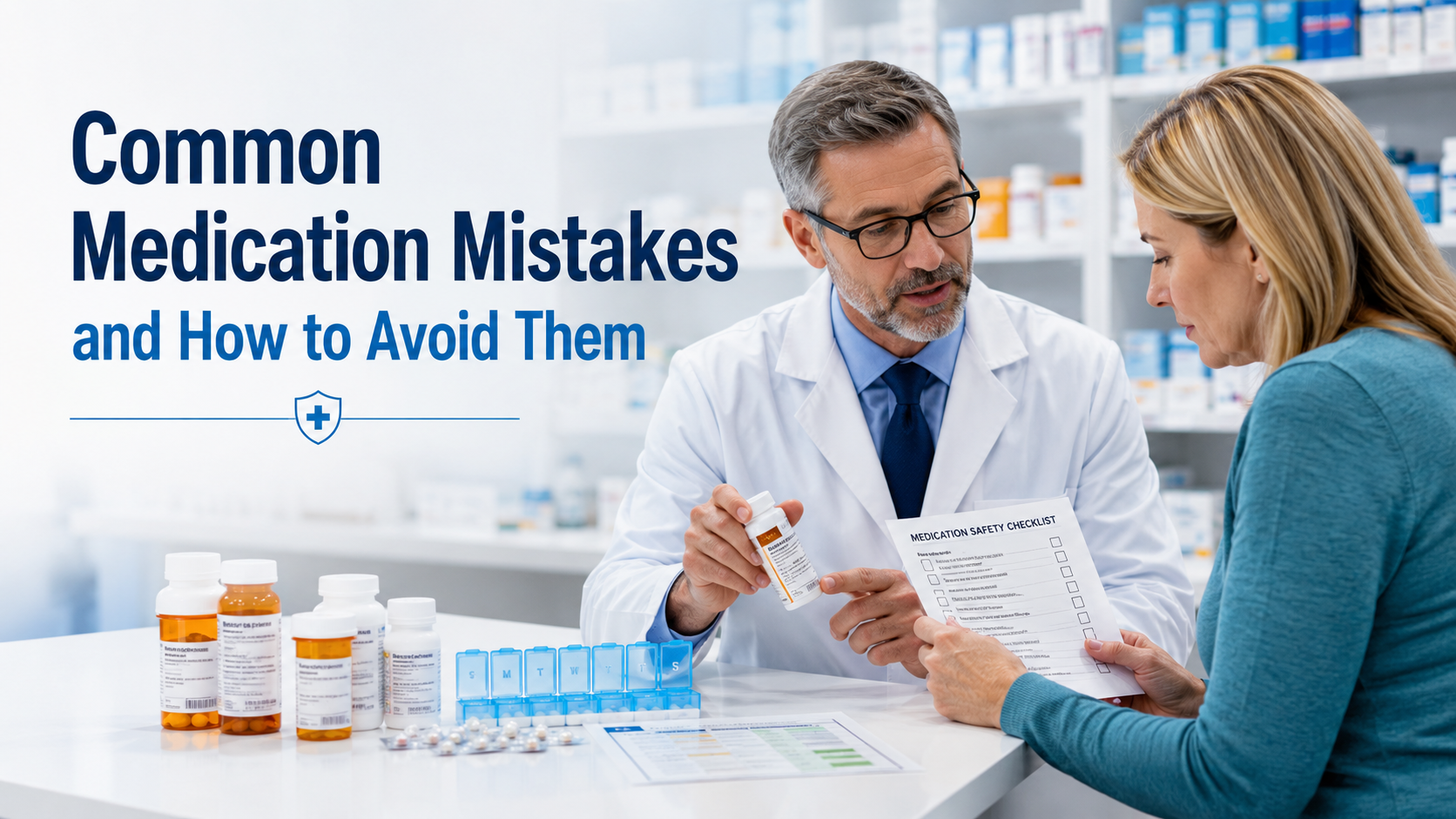
How Buying Medication Online Can Improve Medication Safety
It might seem counterintuitive — after all, didn’t we just warn about unreliable online pharmacies? The key distinction is the difference between a licensed, verified online pharmacy and a rogue seller operating outside the law.
When used correctly, a reputable online pharmacy can actually improve medication safety in several meaningful ways:
Consistent access to refills. One of the most common reasons patients miss doses is running out of medication. Online pharmacies make it easier to set up automatic refills and avoid dangerous gaps in treatment.
Transparent product information. Legitimate online pharmacies provide clear information about dosage, drug interactions, side effects, and contraindications — helping patients make informed decisions.
Discreet access to sensitive medications. For medications like Viagra or Super Vilitra, the privacy of ordering online encourages people to seek treatment they might otherwise avoid, improving health outcomes.
Pharmacist access without travel. Many online pharmacies offer direct messaging or consultation features, allowing patients to ask medication questions from home.
Price transparency. Online pharmacies often provide competitive pricing, which improves medication adherence — because when patients can afford their prescriptions, they’re more likely to take them consistently.
Ease Pharmacy is one such trusted online pharmacy USA resource, offering a carefully curated range of medications including commonly prescribed drugs across categories like diabetes management, cardiovascular health, antibiotics, and men’s health. Always look for pharmacies that require a valid prescription and display clear licensing information.
Frequently Asked Questions About Medication Safety
What are the most common prescription mistakes?
The most common prescription mistakes include missing doses, taking incorrect dosages, stopping antibiotics early, ignoring drug interactions, storing medications improperly, and using expired medications. Sharing prescriptions and purchasing from unverified online sources are also widespread problems with serious consequences.
How can I improve medication safety?
Improving medication safety starts with communication. Tell every healthcare provider and pharmacist about all medications and supplements you’re taking. Use a pill organizer or reminder app, read the medication guide for each drug, and ask questions whenever something is unclear. Regular pharmacy consultations — whether in person or through a trusted online pharmacy — also help catch potential issues early.
Can I take Viagra with other medications?
Viagra (sildenafil) has several important drug interactions. It should never be taken with nitrate medications used for chest pain or heart conditions, as the combination can cause a severe, potentially life-threatening drop in blood pressure. It can also interact with certain blood pressure medications, antifungals, and HIV medications. Always disclose all current medications to your doctor before starting Viagra.
What happens if I miss a dose of Metformin?
If you miss a dose of Metformin, take it as soon as you remember — unless it’s almost time for your next scheduled dose. In that case, skip the missed dose and resume your regular schedule. Never double up. Missing doses of Metformin can lead to uncontrolled blood sugar, so it’s worth setting daily reminders to maintain consistency.
How should Doxycycline be taken?
Doxycycline should be taken with a full glass of water, with or immediately after food to reduce stomach upset. Do not lie down for at least 30 minutes after taking it. Avoid dairy products, antacids, iron supplements, and calcium-rich foods within two hours of a dose. Take every dose at the same time each day and complete the full prescribed course.
Is it safe to buy medication online?
Yes — if you use a licensed, verified pharmacy. Look for pharmacies that require a valid prescription, display their licensing credentials, and carry the VIPPS seal from the National Association of Boards of Pharmacy. Avoid any website that sells prescription drugs without a prescription, offers prices that seem too good to be true, or lacks a physical address and phone number. Ease Pharmacy operates as a trusted online resource with verified product standards.
How do I avoid drug interactions?
Avoiding drug interactions requires keeping a complete, updated list of everything you take — prescriptions, OTC drugs, vitamins, and supplements. Share this list with every provider and pharmacist you see. Use drug interaction checkers available through most pharmacies. And never add a new medication or supplement without checking with your pharmacist first.
Why is medication adherence important?
Medication adherence — taking your medications exactly as prescribed, consistently — is one of the single most important factors in treatment effectiveness. Poor adherence is linked to disease progression, preventable hospitalizations, and higher healthcare costs. For chronic conditions like diabetes, high cholesterol, and high blood pressure, adherence is the difference between well-managed health and serious long-term complications.
Conclusion: Take Control of Your Medication Safety Today
Medication mistakes are far more common than most people realize — but they’re also largely preventable. Whether it’s something as simple as storing your Atorvastatin away from the bathroom humidity or remembering to finish your Azithromycin Z-Pack even when you feel better, small changes in your daily habits can have a significant impact on your health.
Here’s the core takeaway: you are not just a passive recipient of your prescriptions. You’re an active participant in your own healthcare. Read your medication guides. Ask questions at every appointment and refill. Keep your medication list updated. Never stop or adjust a medication without talking to your provider.
And when it comes to purchasing medication — online or in person — insist on a pharmacy you can trust. Ease Pharmacy provides a reliable, transparent online platform where you can find commonly prescribed medications with clear product information, helping you make informed decisions about your health.
Your next step: Review your current medications today. Are they stored correctly? Are your refills up to date? Do you have any questions about drug interactions? If so, reach out to your healthcare provider or pharmacist — or visit Ease Pharmacy to explore a trusted pharmacy experience and get your prescription refill online with confidence.